Choosing the Best Insurance for a Lawn Care or Landscaping Business
How to balance robust protection with affordability, and match the right coverage package to your exact operation.

By Jim Davidson, Managing Partner
Published
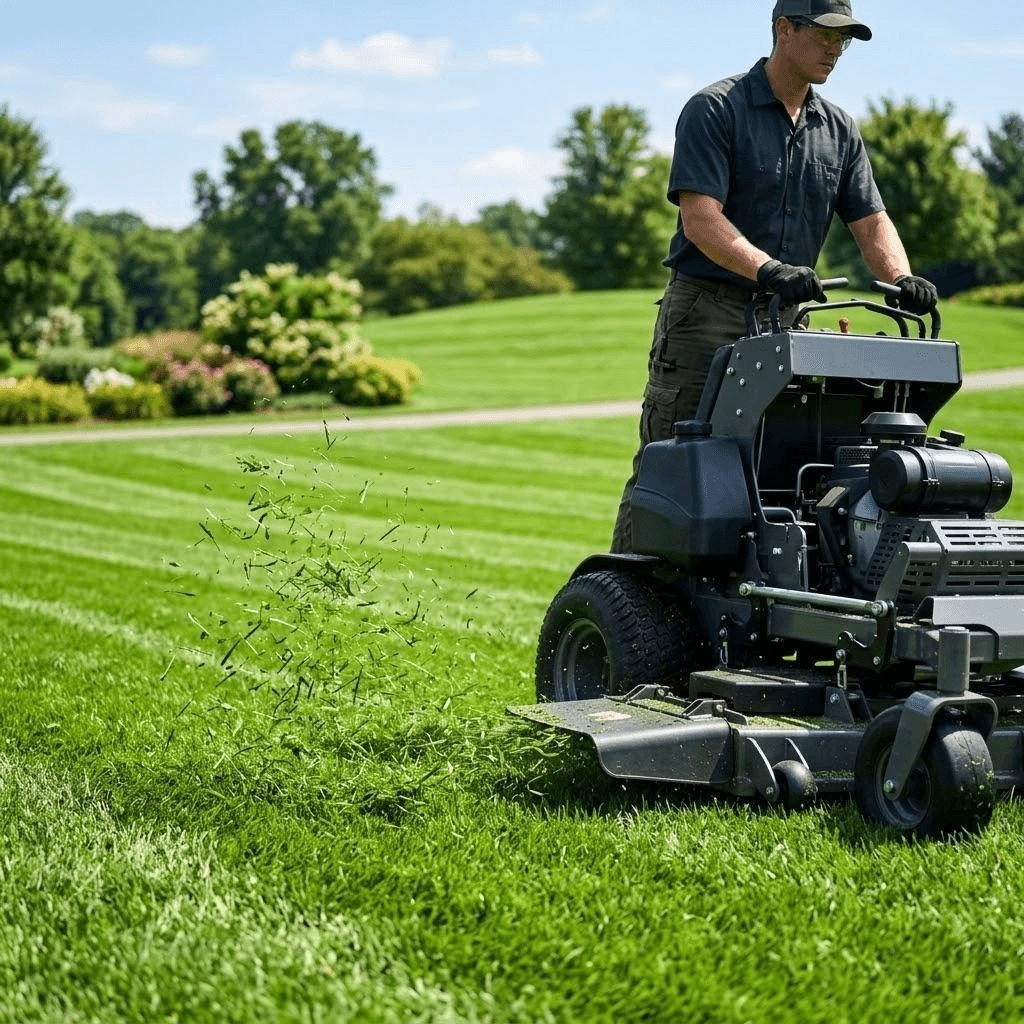
Running a successful lawn maintenance or landscape contracting business takes more than just top-tier equipment and a solid route. It requires a resilient risk management plan. Whether you are a solo operator running a local residential mowing route or managing a growing multi-truck commercial crew, your days are packed with active field operations. Every single time a mower blade spins or an employee steps onto a client's property, your business faces real-world liabilities.
Finding the right coverage means balancing two critical factors: robust protection and affordability. This guide breaks down how to choose the best insurance for a lawn care business, navigate affordable landscaping insurance options, and select a package tailored specifically to your unique operations.
What makes an insurance package the "best" for a green industry business? The best insurance package features industry-specific endpoints—such as pesticide application riders or specialized trailer protections—without charging you for heavy construction or excavation risks you do not face. It balances maximum coverage ceilings with premium-saving bundles like a Business Owner's Policy (BOP).
How to Find Affordable Landscaping Insurance Without Sacrificing Coverage
When search results for affordable landscaping insurance pop up, it can be tempting to buy the cheapest, bare-minimum policy available online. However, cut-rate generic insurance plans often feature hidden exclusions that leave green industry businesses severely exposed.
If your policy excludes property damage caused by a rock thrown from a zero-turn mower or fails to cover tool theft on the road, that "affordable" premium could cost you tens of thousands of dollars out-of-pocket later.
True affordability means protecting your bottom line from catastrophic, unpayable claims. To reduce your premium costs safely, consider these strategies:
- Bundle your lines: Combine your property and general liability coverages into a single package.
- Optimize your deductibles: Raise your out-of-pocket deductibles slightly if you have a strong cash cushion.
- Keep driving records clean: Insurance underwriters heavily scrutinize the Motor Vehicle Reports (MVRs) of all listed drivers on your policy.
Ranking the Best Insurance for Landscaping Business Operations
The type of protection your business requires depends entirely on your exact operational footprint. A standard policy for a mowing crew will look completely different from one built for a heavy hardscaping contractor.
The Solo Operator Bundle (Mowing & Maintenance Only)
If you are running a single truck, a utility trailer, and a residential route, your primary risks are flying debris damage and equipment theft. The best insurance for a lawn care business running as a solo venture consists of a base General Liability policy paired with an unscheduled Tools & Equipment rider. This keeps your monthly overhead low while covering your core exposures.
The Expanding Crew Blueprint (Adding Laborers & Fleet Trucks)
The moment you hire your first employee or put another truck on the road, your risk profile multiplies. At this stage, your business structure needs to expand to include mandatory Workers' Compensation to shield against employee injuries, alongside a dedicated Commercial Auto policy that permits multi-employee driving privileges.
The Full-Scale Landscape Construction Package (Hardscaping & Heavy Machinery)
For businesses utilizing skid steers, mini-excavators, and trenchers to install patios, retaining walls, or deep irrigation lines, a basic maintenance plan will not cut it. You need comprehensive landscape contractor insurance that includes structural defect protections, underground utility line endorsements, and scheduled heavy machinery schedules.
Financial Safeguards: Finding Hidden Savings
The smartest way to access high-quality, comprehensive insurance without breaking the bank is by leveraging a Business Owner's Policy (BOP).
Instead of purchasing General Liability, Commercial Property, and Business Interruption insurance as separate, standalone products, a BOP glues these essential coverages into one unified package. Because insurers view bundled businesses as lower-risk entities, they apply steep multi-line discounts, lowering your total annual premium significantly.
Frequently Asked Questions
Can I get seasonal lawn care insurance if I only operate 6 months out of the year?
Pausing or canceling your commercial insurance policies during the slow winter months is highly discouraged. Doing so creates a coverage gap on your record, causing underwriting algorithms to flag your business as high-risk, which drastically drives up your premium rates when you try to reinstate the policy in the spring.
Does my homeowner's insurance cover my commercial lawn service equipment?
No. Standard homeowner's insurance policies contain strict commercial exclusions. If your commercial mowers, blowers, or trailers are stolen from your personal garage or driveway, your residential insurance provider will deny the claim entirely.
What is the standard liability limit needed for a residential mowing route?
For standard residential maintenance routes, a policy with a $1 Million per occurrence / $2 Million aggregate limit is the industry baseline standard. This provides ample protection for common claims like shattered sliding glass doors, struck vehicles, or minor trip-and-fall incidents.
What is the difference between landscaping insurance and lawn care insurance?
Lawn care insurance is tailored for route-based maintenance businesses focusing on mowing, trimming, aeration, and turf treatments. Landscaping insurance is a broader contractor category designed for businesses performing structural hardscaping, excavation, and structural site modifications, which carry higher premium risk factors.
Are my employees covered under my general liability policy if they get hurt on the job?
No. General liability insurance only protects your business against damages and bodily injuries caused to third parties (clients or the public). It never covers medical bills or lost wages for your own crew members. To protect your workforce, you must carry a dedicated workers' compensation insurance policy.
Secure Your Business Foundation Today
Do not leave your hard work vulnerable to a single field accident or an unexpected tool theft. Partner with an agency that understands the precise differences between simple lawn maintenance routes and complex landscaping ventures.
Contact the team at Fieldwork Insurance to request your fast, free, no-obligation insurance quote today!

Jim Davidson
Managing Partner, Fieldwork Insurance
Jim has spent 17 years building insurance solutions for landscaping and property maintenance businesses. He leads Fieldwork Insurance to give green industry owners the specialized coverage generic policies leave out. More about Jim.