Common Landscaping Insurance Claims: A Risk Prevention Guide

By Jim Davidson, Managing Partner
Published
Running a landscape maintenance or contracting business means operating in a dynamic field environment. Every single day, your crews handle high-velocity cutting machinery, transport heavy structural materials, and maneuver bulky vehicles through tight spaces. Even with experienced workers and strict safety protocols, accidents happen.
Understanding common landscaping insurance claims and identifying your primary landscaping business risks is the first step toward building a highly effective risk prevention strategy.
By analyzing where field incidents occur and learning how to manage landscaping liability claims professionally, you can protect your cash flow and keep your recurring insurance premiums low.
The Cost of Convenience: Small, repetitive property damage claims—like shattered windows or dented downspouts—might seem like minor annoyances, but over time, a high frequency of small claims signals a lack of quality control to insurance underwriters, which can drastically drive up your long-term insurance overhead.
Analyzing the Top Landscaping Business Risks in the Field
To build a reliable defense system around your company, you must first recognize where your greatest day-to-day exposures lie. In the green industry, the vast majority of insurance claims stem from three distinct risk categories:
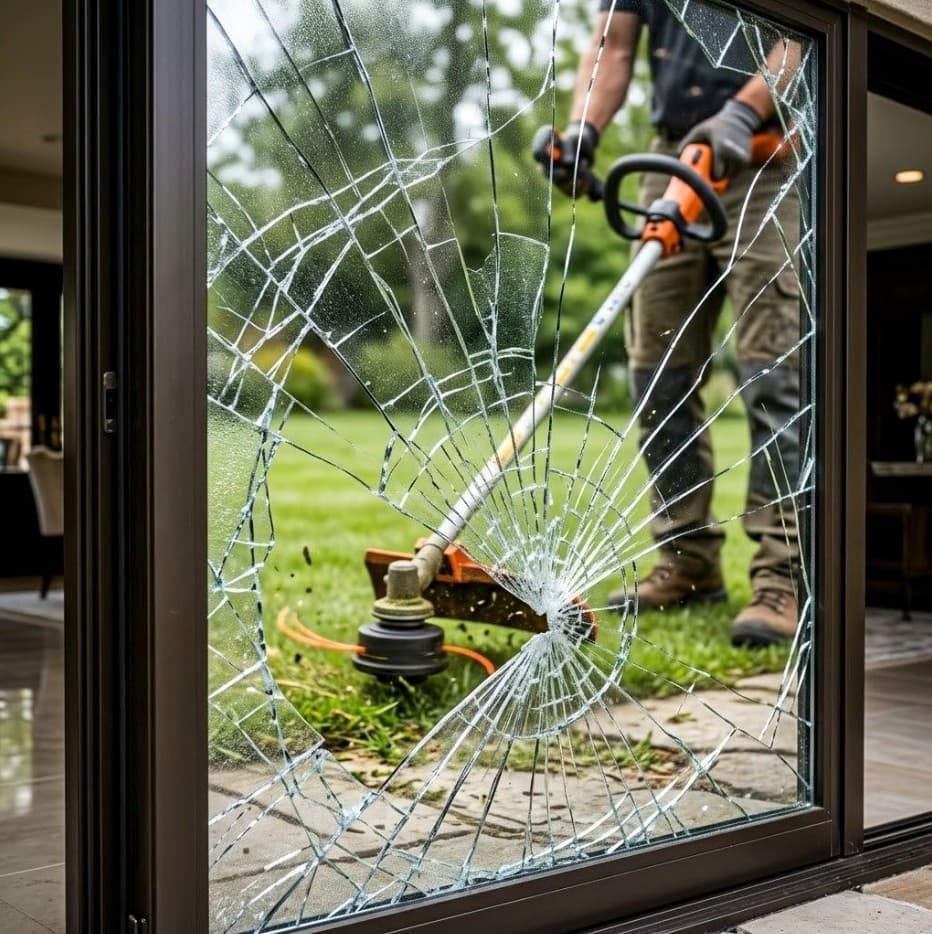
- Projectile and Flying Debris Damage: Commercial zero-turn mowers and high-velocity line trimmers routinely strike hidden object debris—such as rocks, loose gravel, sticks, or discarded metal—launching them into nearby residential structures, glass commercial storefronts, or vehicles.
- Backing and Blind-Spot Collisions: Landscaping trucks towing long utility trailers face immense navigation challenges. Backing out of tight residential cul-de-sacs or maneuvering through packed commercial parking lots often leads to collisions with parked cars, mailboxes, or utility meters.
- Underground Utility Infrastructure Cuts: Executing any form of excavation, core aeration, or mechanical trenching without verifying underground lines frequently results in severed fiber-optic cables, irrigation leaks, or punctured gas lines.
How to Handle Landscaping Liability Claims Professionally
If an accident occurs on the job site, the steps you take in the immediate aftermath can heavily influence the final financial settlement. Train your crews to follow a structured incident protocol:
- Stop and Secure the Site: Instantly shut down all machinery and ensure no one is injured. If a utility line or gas pipe is struck, evacuate the area immediately and contact emergency services.
- Document Everything Visually: Take high-resolution photographs and videos of the damage from multiple angles, including close-ups of the machinery involved and wide shots of the surrounding property context.
- Gather Witness Information: Note down the names, phone numbers, and statements of any employees or third-party pedestrians who witnessed the incident occur.
- Contact Your Broker Immediately: Never promise a client a direct out-of-pocket cash payout or admit complete legal fault on-site. Report the details to your specialized commercial broker to initiate a formal claim review.
Proactive Safety Protocols to Stop Accidents Before They Happen
The most effective way to manage your insurance costs is to prevent claims from occurring in the first place. Implement a mandatory pre-work perimeter sweep across every contract property before turning on a machine. Crews should walk the turf to remove any loose stones, toys, or debris, while checking for hidden utility meters or low-hanging architectural features.
Frequently Asked Questions
How does my claims history impact my future landscaping insurance premiums?
Insurance carriers utilize a metric known as an Experience Modification Rate (E-Mod) or a loss-frequency evaluation. A history of frequent claims signals an operational pattern of unmanaged risk, which leads underwriters to apply surcharges to your base premium rates.
Should I pay for small property damage claims out-of-pocket instead of filing a claim?
If the cost to repair a broken window or a damaged downspout is only slightly above or below your policy deductible, paying for the repair directly out-of-pocket can be a smart way to keep your official claims history clean and prevent premium hikes.
Does standard landscaping general liability cover a tree falling onto a house during a storm?
If your crew was actively trimming or removing the tree and a mistake caused it to fall onto the structure, your general liability policy will cover the damage. However, if a healthy tree naturally falls due to an "Act of God" windstorm, the loss is typically covered by the property owner's homeowners or commercial property insurance.
What is a care, custody, and control exclusion in a landscaping policy?
This standard exclusion dictates that general liability insurance does not cover damage to property that you actively own, rent, or hold under your physical care, custody, and control. It reinforces the need for specialized Tools & Equipment and Commercial Property lines to protect your own assets.
How can a digital camera or smartphone help reduce fraudulent liability claims?
Having your crew snap pre-work photos of pre-existing property damage—such as a cracked driveway or a broken fence panel—provides undeniable photographic proof that insulates your company from being blamed for pre-existing site defects.
Stop Reacting to Incidents and Start Preventing Them
Don't let an unmanaged field risk or a poorly handled claim derail everything you have built. Partner with Fieldwork Insurance to build proactive safety parameters and tailored coverage packages that keep your business fully insulated.
Contact us to request your fast, free, no-obligation risk management and insurance quote today!

Jim Davidson
Managing Partner, Fieldwork Insurance
Jim has spent 17 years building insurance solutions for landscaping and property maintenance businesses. He leads Fieldwork Insurance to give green industry owners the specialized coverage generic policies leave out. More about Jim.