Ultimate Guide to Snow Plowing Liability Insurance
Winter operations carry some of the highest litigation rates in contracting. Here's how to shield your business from slip-and-fall and snow removal liability claims.

By Jim Davidson, Managing Partner
Published
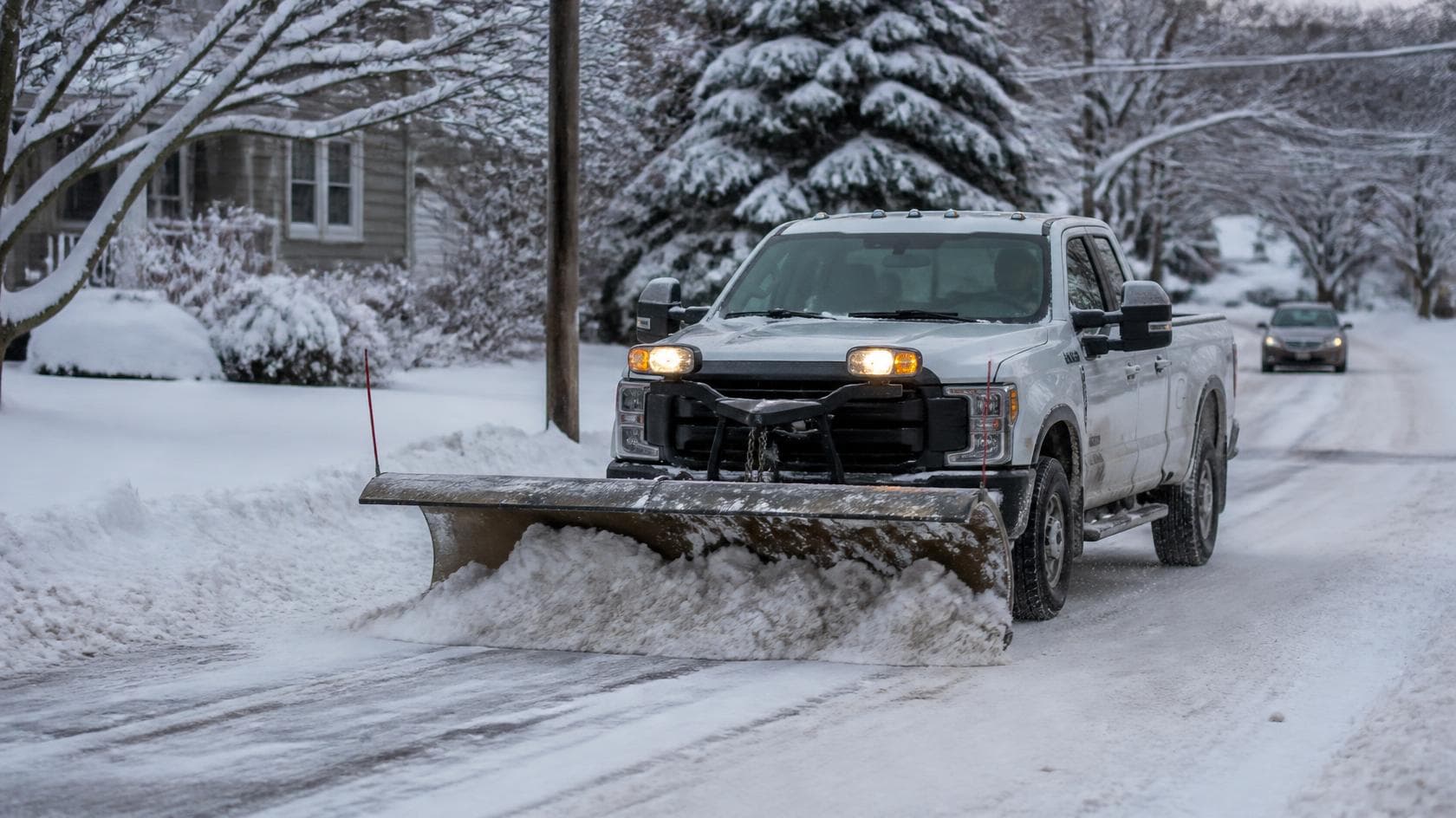
For many landscape contractors, offering winter weather services is the perfect way to maintain year-round revenue. When the temperature drops, swapping out lawnmowers for plow blades keeps your crews busy and the cash flowing.
However, transitioning into winter operations comes with a massive increase in civil risk. The snow management industry faces some of the highest litigation rates in the entire contracting world.
Between hidden property hazards and ice-related slip-and-fall incidents, managing your snow removal liability must be a top operational priority.
Securing a dedicated snow plowing liability insurance policy is the only foolproof way to protect your business assets from devastating winter lawsuits. This comprehensive guide breaks down the unique risks of winter operations, the non-negotiable coverages you need, and how to keep your business fully compliant.
The Reality of Snow Removal Liability: Why Winter is High-Risk
Many business owners assume their standard summer landscaping liability insurance naturally rolls over to cover winter operations. This is a dangerous and costly misconception. Most standard general liability insurance policies explicitly exclude commercial snow removal unless you purchase a specific winter operations rider or a standalone policy. If you plow a commercial parking lot without a dedicated snow endorsement, your carrier can completely deny any claims that arise during the winter.
Winter clearers face immense risk exposure due to two main factors:
- Hidden Hazards: Plow blades regularly strike hidden objects submerged under heavy snow drifts, including curbs, fire hydrants, speed bumps, and expensive landscape lighting.
- The Slip-and-Fall Nightmare: Ice accumulation creates severe slip-and-fall hazards for pedestrians. If a pedestrian falls on a commercial property hours after you cleared it, the property owner and your business will almost certainly face a lawsuit.
Crucial Coverages to Include in Your Snow Removal Insurance Package
To shield your winter business from these costly exposures, you need a robust policy package engineered specifically for the snow and ice management sector.
General Liability with Completed Operations Coverage
This policy is your primary shield against third-party bodily injury and property damage claims. However, standard liability isn't enough for snow clearers; you must ensure your policy includes Completed Operations Coverage.
If a pedestrian slips on a patch of black ice at a retail center three hours after your crew finished salting and left the property, standard liability may not cover it. Completed Operations coverage ensures you are protected against claims that occur after your active work on the site has been completed.
Commercial Auto Insurance for Plow Trucks
Your personal auto insurance policy will not cover accidents that happen while you are plowing driveways or parking lots for profit. You need a dedicated commercial auto insurance policy.
Furthermore, you must explicitly declare any attached equipment — such as custom plow frames, hydraulic lift blades, and tailgate salt spreaders — to your insurance provider. If you get into a traffic collision while hauling a heavy V-plow, undeclared equipment could result in a denied claim.
Tools & Equipment Insurance for Winter Rigging
While your commercial auto policy protects your truck, it does not cover the loose or movable assets inside your truck bed or on the job site. Tools & Equipment insurance protects your physical winter rigging — including commercial snowblowers, sidewalk salt boxes, pushers, and high-end safety gear — against theft, vandalism, or damage while in transit or left on-site.
Commercial Property Insurance for Salt and Fleet Storage
If your business maintains a physical yard, warehouse, or storage depot where you store bulk rock salt, liquid de-icing chemicals, and your winter vehicle fleet, you need commercial property insurance. This safeguards your home base against financial losses stemming from property fires, severe winter weather damage, or structural break-ins.
The Business Owner's Policy (BOP) "Snow Trap"
A Business Owner's Policy (BOP) is a highly popular option that bundles General Liability and Commercial Property insurance at a discounted rate. However, standard insurance companies frequently insert a "snow trap" into off-the-shelf BOP packages by excluding winter work entirely because of the high risk profile.
To secure a cost-effective BOP as a snow contractor, you must work with a specialized broker like Fieldwork Insurance who can write a specialized, snow-endorsed BOP tailored to your precise operational footprint.
NYS Disability (DBL) & Workers' Comp for Winter Crews
If you clear snow in New York, you face strict state regulations for your seasonal workforce. Workers' Compensation insurance is legally mandatory to cover your employees against job-site injuries like frostbite, severe slips, and muscle strains from heavy lifting.
Additionally, New York State law requires you to carry short-term Disability Benefits Law (DBL) insurance. This covers your workers for partial wage replacement if they suffer an off-the-job illness or injury during the winter season, keeping your business fully compliant with NYS mandates.
Managing Snow Plowing Liability: Contracts and Documentation
Securing snow plowing liability insurance is only half the battle. To minimize your claims and keep your premiums low, you must practice meticulous risk management through accurate site documentation.
1. Leverage Digital Log Sheets and Weather Tracking
In a slip-and-fall lawsuit, documentation is your greatest defense. Your crew should log the exact time they arrived at a property, the accumulation depth, the amount of salt applied, and the exact time they departed. Utilizing GPS tracking and certified third-party weather reports helps prove that your business fulfilled its contractual obligations perfectly.
2. Conduct Pre-Season Property Inspections
Before the first snowflake falls, walk your contract properties with the owner. Inspect the asphalt, document any pre-existing damage, and place highly visible stakes next to hidden hazards like curbs, utility meters, and retaining walls. Have the client sign off on this pre-season report to eliminate disputes over property damage in the spring.
3. Handle "Additional Insured" Requests Carefully
Commercial property managers will almost always require you to name them as an Additional Insured on your certificate of insurance (COI) before awarding you a contract. This passes your protection onto them for accidents caused by your plowing operations. Make sure your insurance broker reviews these contracts to ensure you aren't accidentally absorbing liabilities that belong solely to the property owner.
How Much Does Snow Plowing Liability Insurance Cost?
Because winter clearing is a high-risk trade, premiums are calculated based on your specific operation size, the types of properties you clear (residential vs. high-traffic commercial), and your past claims history.
| Coverage Type | Estimated Average Monthly Cost | Primary Focus |
|---|---|---|
| General Liability (with Snow Endorsement) | $90 – $180 | Third-party slips, falls, and property damage |
| Commercial Property | $40 – $80 | Warehouse, bulk salt storage, and yard hazards |
| Business Owner's Policy (Snow-Endorsed BOP) | $125 – $220 | Discounted bundle of Liability + Property |
| Commercial Auto (with Plow Endorsement) | $150 – $300 | Work trucks equipped with plow frames and spreaders |
| Tools & Equipment | $20 – $50 | Theft or damage to blowers, spreaders, and tools |
| Workers' Compensation | Varying State Rates | Employee injuries, frostbite, and winter ailments |
Frequently Asked Questions About Snow Removal Liability
Can I use my personal truck insurance to plow driveways for money?
No. Standard personal auto insurance policies contain strict exclusions for commercial activities. If you cause a traffic accident or back your plow blade into a client's garage door while working for profit, your personal insurer will likely deny the claim and may cancel your policy altogether.
What is a "slip-and-fall" clause in a snow contract?
A slip-and-fall clause defines the exact parameters of your liability. For example, your contract might specify that your liability ends once you clear the property and apply de-icing agents, or that you are only responsible for clearing snow once accumulation reaches a specific depth (e.g., a 2-inch trigger). Clear contract terms protect you from being held liable for ice that forms hours after your service window closes.
Does a standard Business Owner's Policy (BOP) automatically cover commercial snow removal?
No. Standard, off-the-shelf BOP packages almost always exclude snow plowing due to the high probability of slip-and-fall lawsuits. To get the cost savings of a bundled BOP, you must work with a commercial insurance specialist who can add a dedicated winter operations endorsement to the package.
Do I need snow plowing liability insurance if I only use subcontractors?
Yes. Many business owners mistakenly assume that if their subcontractors carry their own insurance, the primary business is off the hook. If a slip-and-fall lawsuit occurs on a property you contracted to clear, the client will sue your business first.
While you should absolutely mandate that your subcontractors carry valid liability coverage and name you as an Additional Insured, you still need your own vicarious liability policy. This protects your enterprise in case a subcontractor's insurance policy maxes out, lapses, or fails to cover the specific winter incident.
Do I need to maintain my snow removal insurance coverage during the summer months?
Yes, you should never cancel your policy during the off-season. While you aren't clearing snow in July, maintaining year-round coverage is crucial for two reasons.
First, your expensive winter assets — like plow blades, liquid de-icing rigs, and salt pushers — remain exposed to threats like theft, vandalism, or warehouse fires while sitting in summer storage. Second, canceling and restarting high-risk commercial policies every six months signals instability to underwriters, which can drastically drive up your premium rates or cause insurers to deny you coverage entirely next winter.
What is a "Hold Harmless" agreement in snow clearing contracts?
A "Hold Harmless" or indemnification agreement is a legal clause frequently inserted into commercial snow removal contracts. It dictates which party will absorb the financial and legal brunt of a lawsuit.
Property managers often try to insert language that forces you to hold them harmless for all winter injuries, even if the injury was caused by faulty structural drainage on their building that created an unmanageable ice patch. It is critical to have an experienced broker review these contract clauses before you sign them so you aren't accidentally accepting liabilities your insurance policy cannot cover.
Secure Your Winter Business with Fieldwork Insurance
Don't let one icy patch or a hidden curb ruin the commercial enterprise you've spent years building. Managing your snow removal liability requires professional foresight and a policy built to endure harsh winter conditions.
At Fieldwork Insurance, we specialize in crafting custom insurance packages for snow plowing and ice management professionals. We understand the specific contract demands of commercial properties, state mandates like NYS DBL, and the exact endorsements required to keep your plow fleet completely protected.
Keep your trucks moving and your business safe all winter long.
Contact the team at Fieldwork Insurance today to request a free, no-obligation snow plowing liability insurance quote customized to your operation.

Jim Davidson
Managing Partner, Fieldwork Insurance
Jim has spent 17 years building insurance solutions for landscaping and property maintenance businesses. He leads Fieldwork Insurance to give green industry owners the specialized coverage generic policies leave out. More about Jim.