Snow Removal General Liability Insurance: Avoid Exclusions
Why standard landscaping policies exclude snow and ice work, and how to close the slip-and-fall gaps hiding in your winter coverage.

By Jim Davidson, Managing Partner
Published
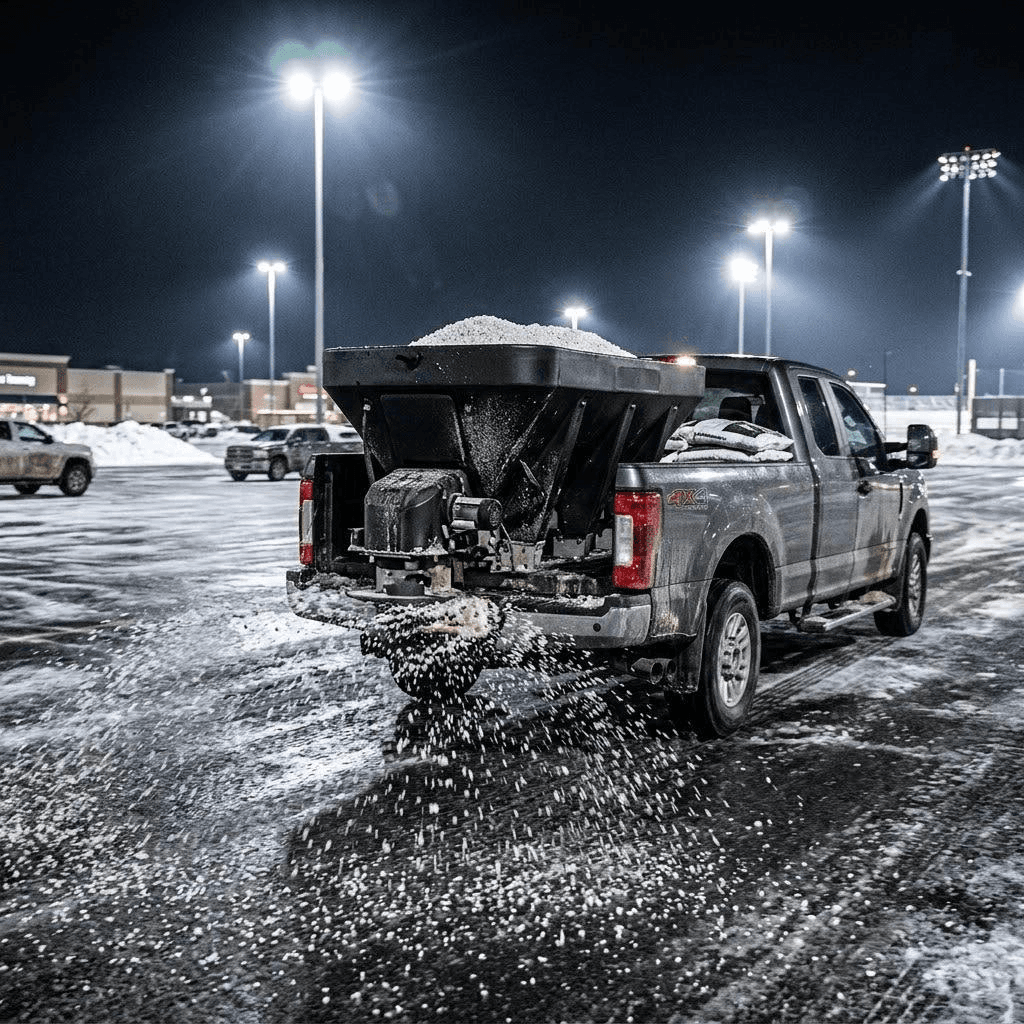
For green industry business owners, transitioning from summer lawn maintenance into winter snow and ice management is an excellent way to maintain cash flow year-round. However, clearing snow from commercial parking lots, retail walkways, and residential developments introduces significant financial and civil liability risks.
The snow management industry faces some of the highest civil litigation rates in the contracting world, primarily driven by slip-and-fall claims.
Protecting your winter revenue requires a robust snow removal general liability insurance policy. You must also watch out for dangerous snow removal exclusions and design targeted snow plow slip-and-fall insurance parameters to ensure your business remains fully protected when the temperature drops.
| Standard Landscaping Policy | Dedicated Winter Operations Policy |
|---|---|
| Mowing & trimming coverage | Complete winter clearing protections |
| Structural planting riders | PLUS dedicated snow plow endorsements |
| EXCLUDES snow and ice operations | PLUS completed operations slip-and-fall coverage |
The Mechanics of Snow Removal General Liability Insurance
The most critical fact every winter contractor must understand is that standard summer landscaping policies do not automatically cover snow plowing.
Because snow removal carries a completely different risk profile, standard insurers insert strict exclusions into standard lawn care policies. If you mount a plow blade to your truck and clear a commercial parking lot without a dedicated winter operations endorsement, your carrier can deny any property damage or personal injury claims that arise during the storm.
The Core Threat: Designing Snow Plow Slip-and-Fall Insurance
The single greatest financial threat to a snow contractor is not hitting a hidden curb or denting a guardrail—it is a pedestrian slip-and-fall incident. If a person slips on a patch of ice at a commercial property hours or even days after your crew cleared the lot, the property owner and your business will almost certainly face a joint lawsuit.
To insulate your business against these multi-million dollar liabilities, your snow plow slip-and-fall insurance must feature a robust completed operations endorsement. This ensures you are fully covered for injuries that occur after your crew has finished salting, signed off on the log sheets, and left the job site.
Hidden Snow Removal Exclusions That Leave You Exposed
When reviewing a winter operations policy, you must read the fine print carefully. Many generic brokers sell cheap policies that contain hidden, highly restrictive snow removal exclusions that render your coverage virtually useless in real-world scenarios:
The "No-Ice" or Salting/Sanding Restriction
Some cut-rate policies will cover your business for pushing physical snow accumulation with a plow blade, but explicitly exclude any claims related to ice, chemical salting, or sand applications. If someone slips on black ice in a lot you plowed, a policy with this exclusion will leave you completely unprotected.
Public Sidewalk and High-Foot-Traffic Denials
Certain underwriters will willingly insure a contractor for plowing open commercial parking lots but will insert an exclusion denying coverage for any work performed on public walkways, commercial entryways, or pedestrian sidewalks—the exact areas where the vast majority of slip-and-fall incidents occur.
Frequently Asked Questions
What is a midnight refreeze, and does my winter insurance cover it?
A midnight refreeze occurs when snow melts during a sunny afternoon, runs across a parking lot, and refreezes into a sheet of black ice once the temperature drops at night. A properly structured snow liability policy with completed operations coverage will protect your business if a slip-and-fall occurs on a refrozen patch.
Why do snow removal policies require detailed weather tracking documentation?
In a slip-and-fall lawsuit, documentation is your greatest defense. Insurance carriers rely on your detailed logs, GPS tracking data, and certified third-party weather reports to prove in court that your crew fulfilled its contractual obligations perfectly during the storm.
Can I be held liable if a client refuses to authorize an emergency salt application?
Yes, you can still be named in a lawsuit. To protect your business, your service contracts should contain a clause stating that if a client declines your professional recommendation to apply salt or de-icing agents during a freeze event, they assume all subsequent liability for slip-and-fall incidents.
Does snow removal general liability insurance cover damage to hidden lawn turf?
Yes. If your plow blade accidentally tears up a client's grass turf, destroys a hidden curb, or strikes a buried retaining wall edge, a comprehensive winter general liability policy will cover the property restoration and repair costs.
What is a "slip-and-fall" trigger depth clause in a commercial snow contract?
A trigger depth clause specifies the exact amount of snow accumulation required before your business is legally authorized to clear the property (e.g., a 2-inch trigger). This protects you from liability if an incident occurs during a minor snowfall that did not meet the contractual threshold for automatic service.
Lock Down Your Winter Protection Today
Don't let a hidden policy exclusion or a fraudulent slip-and-fall claim put your entire enterprise at risk. Partner with Fieldwork Insurance to build an ironclad, zero-exclusion snow removal liability framework that keeps your business secure all winter long.
Contact us to request your comprehensive winter operations insurance audit and quote today!

Jim Davidson
Managing Partner, Fieldwork Insurance
Jim has spent 17 years building insurance solutions for landscaping and property maintenance businesses. He leads Fieldwork Insurance to give green industry owners the specialized coverage generic policies leave out. More about Jim.